ICU Imaging
See the pattern, compare it, make the call, then reveal why it matters. Learn chest X-rays and critical-care CT with real licensed images instead of text alone.
CXR
Licensed clinical image · tap to enlargeOrientation
Licensed clinical image · tap to enlargePortable CXR
Licensed clinical image · tap to enlarge10
Modules
80
Case challenges
50
Unique case images
52
Licensed assets
Your imaging progress
0/80 challenges completed
0/50 unique images interpreted
CXR
—
No attempts yet
CT Brain
—
No attempts yet
CT Chest / CTPA
—
No attempts yet
CT Abdomen
—
No attempts yet
Curriculum
Foundations → CXR → devices → pathology → CT → emergencies.
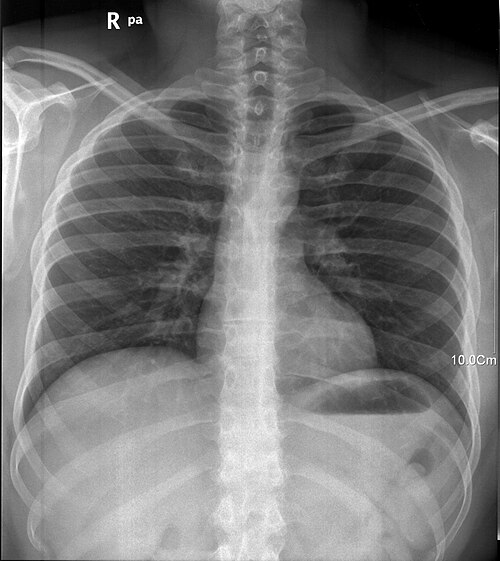 Interpret first
Module 1
Imaging Foundations
Orientation, technical adequacy, projection, CT planes, contrast phases and a repeatable way to avoid interpretation errors before diagnosing disease.
Interpret firstModule 2
How to Read an ICU Chest X-Ray
A fixed, repeatable ICU chest-radiograph sequence: technical quality, airway, lungs/pleura, cardiomediastinum, diaphragm, bones/soft tissues and devices.
Module 3
Lines, Tubes & Devices
ICU-specific device recognition, expected position, common malpositions and radiographic complications after airway, vascular, enteral and pleural procedures.
Module 4
ICU Chest Pathology
Pattern recognition for pneumothorax, pleural disease, edema, ARDS, pneumonia, aspiration, atelectasis and barotrauma.
Module 5
CT Brain for the Intensivist
A pragmatic noncontrast head-CT framework for hemorrhage, ischemia, edema, hydrocephalus, trauma and herniation patterns.
Module 6
CT Chest / CTPA
Lung and mediastinal windows, pulmonary embolism, vascular emergencies, infection, pleural disease and ICU barotrauma on CT.
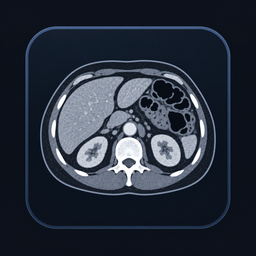
Module 7
CT Abdomen in Critical Care
Free air, bowel obstruction/ischemia, pancreatitis, bleeding, collections and postoperative abdominal emergencies.
Module 8
Trauma Imaging
High-yield thoracic, neuro and abdominal trauma findings that change immediate ICU/trauma management.
Module 9
Postoperative Imaging
Expected postoperative appearances, ICU devices and red-flag imaging findings after major surgery.
Module 10
Imaging Emergencies — Do Not Miss
Time-critical image recognition: identify whether the scan requires immediate bedside, surgical, interventional or neurocritical action.
🚨 Do not miss
Imaging emergencies
Practice assigning routine, urgent or immediate urgency from the image plus clinical context.
Open emergencies →📋 Test yourself
Imaging Exam Mode
A fresh balanced 20-image set on every attempt, with answers hidden until final submission.
Start imaging exam →Clinical-image sourcing policy
ICU Imaging uses real teaching images only when the original source and reuse license are recorded. Source/license details are shown only after an unknown-case interpretation is revealed so they cannot give away the answer.